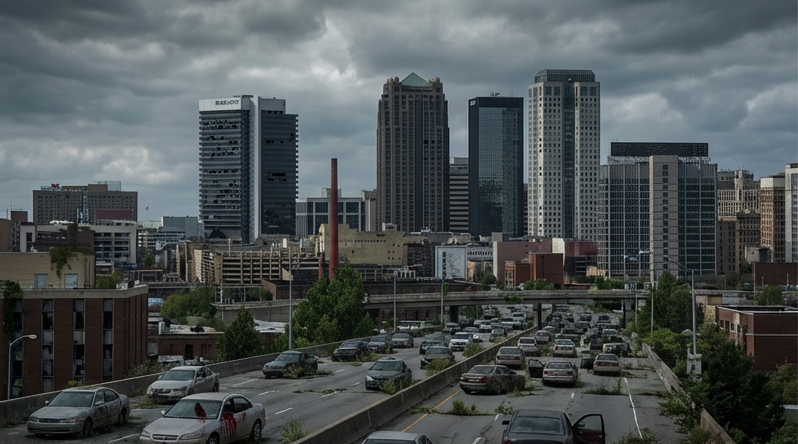
I've lived in Birmingham long enough to know its streets, neighborhoods, and landmarks. I've driven through downtown more times than I could count, passed familiar buildings, and traveled roads without giving much thought to what might happen if the world suddenly changed.
But while writing RED/BLUE, I began looking at those familiar places differently.
What would happen if the streets were deserted? If the businesses were abandoned, the hospitals became fortified settlements, and the people who remained were just as dangerous as the creatures that came out after dark?
One of the advantages of setting a novel in a city you know is that you can picture the action as it unfolds.
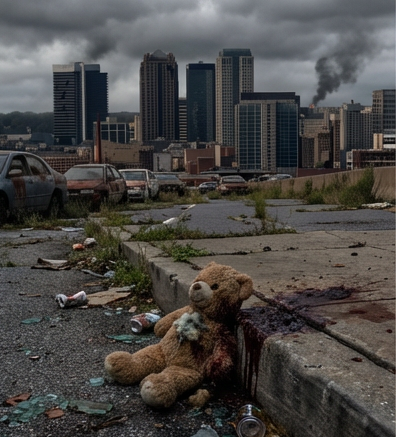
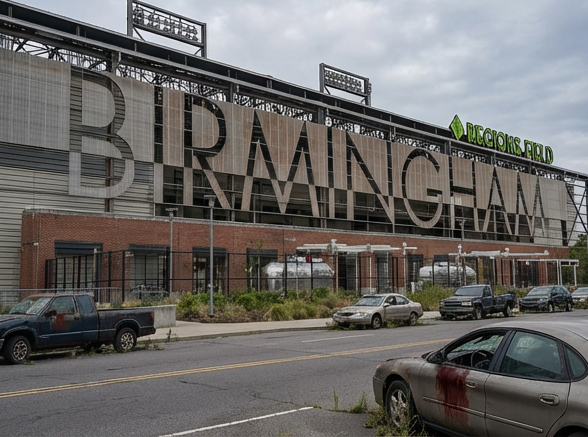
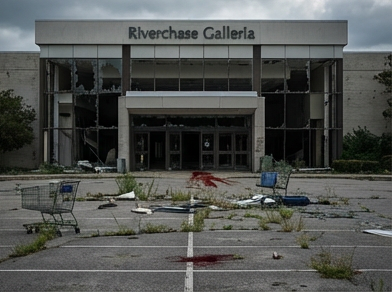
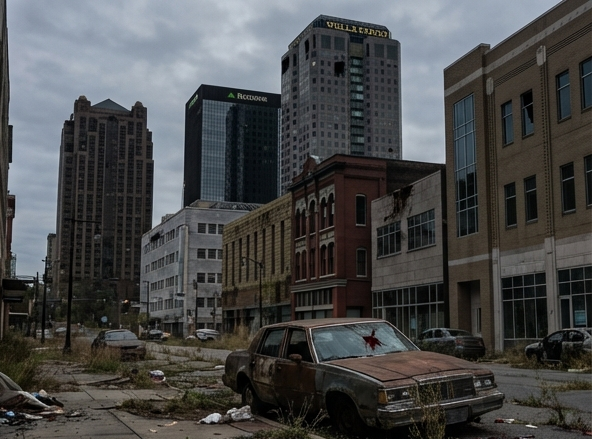
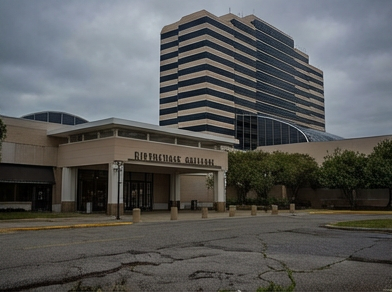
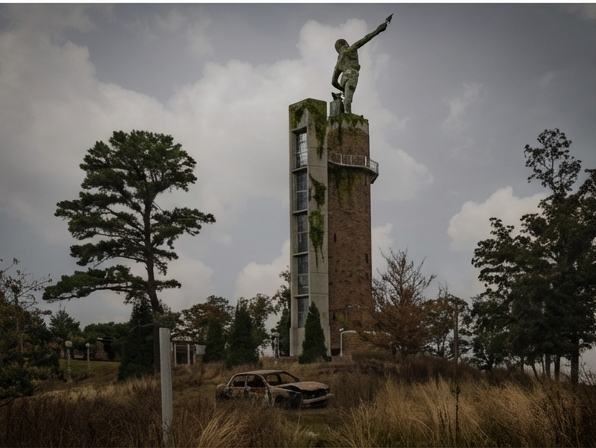
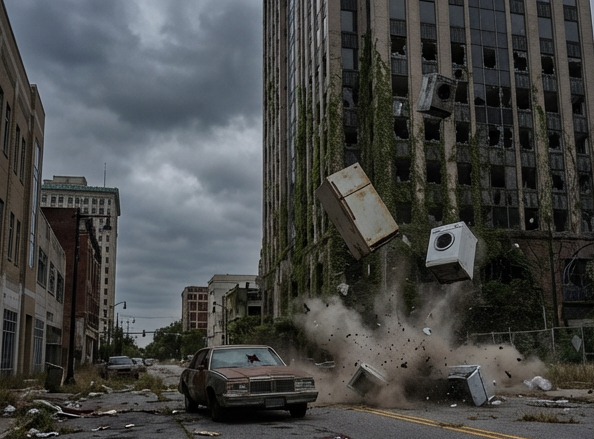
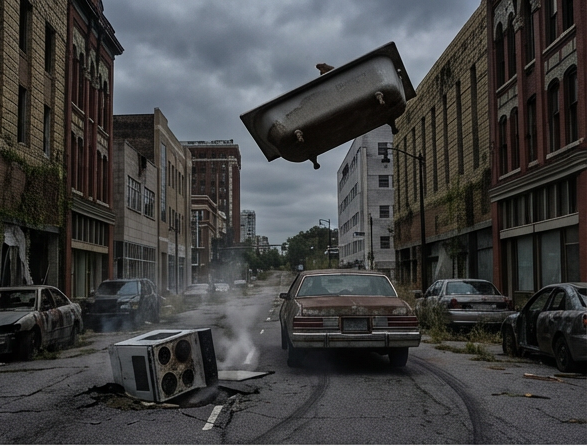
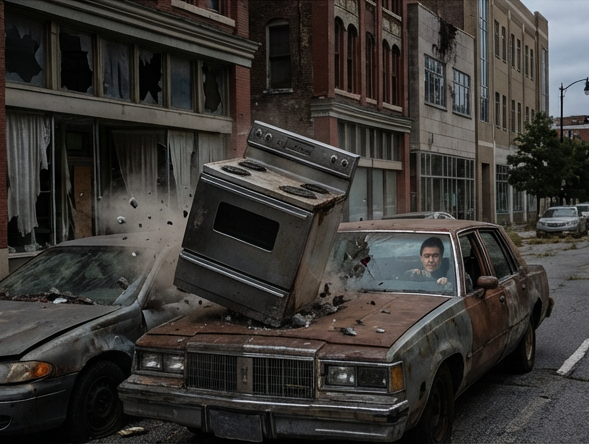
There's a scene in RED/BLUE where Doe and Dasha drive through downtown Birmingham, trying to reach a colony of survivors living inside UAB's Women & Infants Center. As they navigate the city blocks, someone begins dropping furniture and appliances from above, turning an already dangerous drive into a desperate attempt to escape.
When I wrote that scene, I wasn't imagining some anonymous city. I knew the streets they were traveling. I could picture the buildings around them and the obstacles they would encounter. I knew what those blocks looked like on an ordinary day, which made imagining them in extraordinary circumstances all the more interesting.
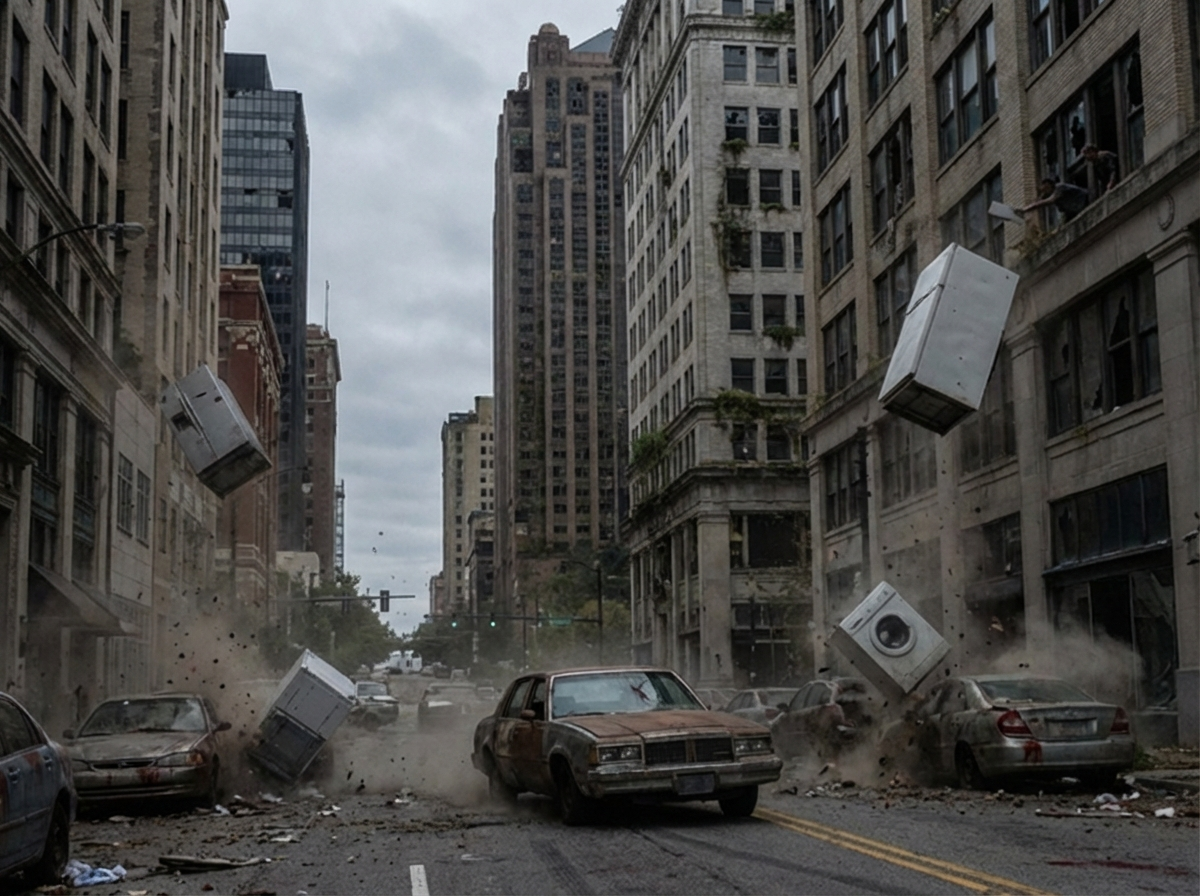
That's one of the things I enjoyed most about writing RED/BLUE. I could take places I'd known for years and make them unfamiliar, sometimes frightening, without changing their geography.
Birmingham was still Birmingham. The streets were where they'd always been. The buildings hadn't moved.
It was the world around them that had changed.
And once I started imagining what might be lurking around the next corner, even a familiar drive through downtown Birmingham became something entirely different.
