There's something to be said for having friends who truly know you and somehow still answer the phone when you call.
Before Blake arrived on Circleview Drive, the neighbors had little to do with one another. They lived in their respective houses, minded their own business, and generally kept to themselves. Robert Malt was particularly good at that last part. Then he married Blake, and the quiet little circle was never quite the same.
Blake had a way of bringing people together, whether they particularly wanted to be brought together or not. Take Paula and Sloane, two neighbors who had barely exchanged a word until Blake befriended them both, turning the three into a force to be reckoned with.



The circle continued to grow, eventually including the elderly Warrens around the bend and Tina, a vapid young socialite who was more or less foisted upon them after her marriage fell apart. When Sloane's brother—Tina's husband—came out of the closet, Sloane reluctantly took her sister-in-law under her wing, despite never having particularly liked her.


When I wrote The Inner Circle, I wanted these friendships to be right in all the wrong ways. To form naturally, despite the people involved being so gloriously mismatched. Because you don't necessarily have to like someone to love them. And bonds built on laughter, sorrow, and the occasional crime or two can be stronger than blood.
The neighbors on Circleview Drive aren't the sort of friends who tiptoe around one another's feelings. They know who's likely to say something inappropriate at precisely the wrong moment, who's going to make a bad situation worse, and who's never going to let anybody forget about it.
But they also know who will pick them up when they can no longer stand on their own.



That's what I enjoyed most about writing them. It's easy to stand beside someone when life is going well. It's considerably harder when circumstances become frightening, sinister, or downright criminal.
Yet these friends always manage to show up for one another. They can laugh in the middle of a disaster, argue when they ought to be running, and know exactly what never to share with their husbands.

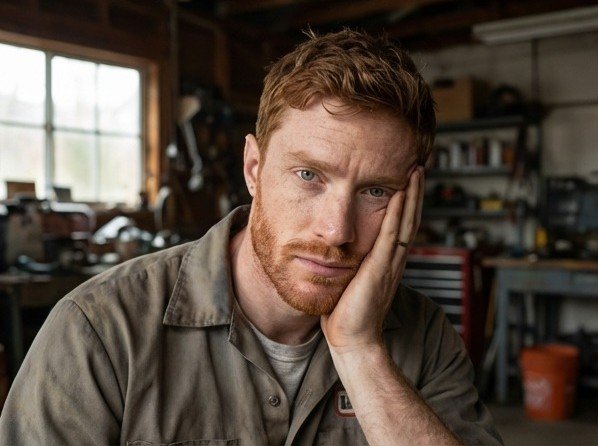

And somehow, when everything goes wrong, they're still in it together.

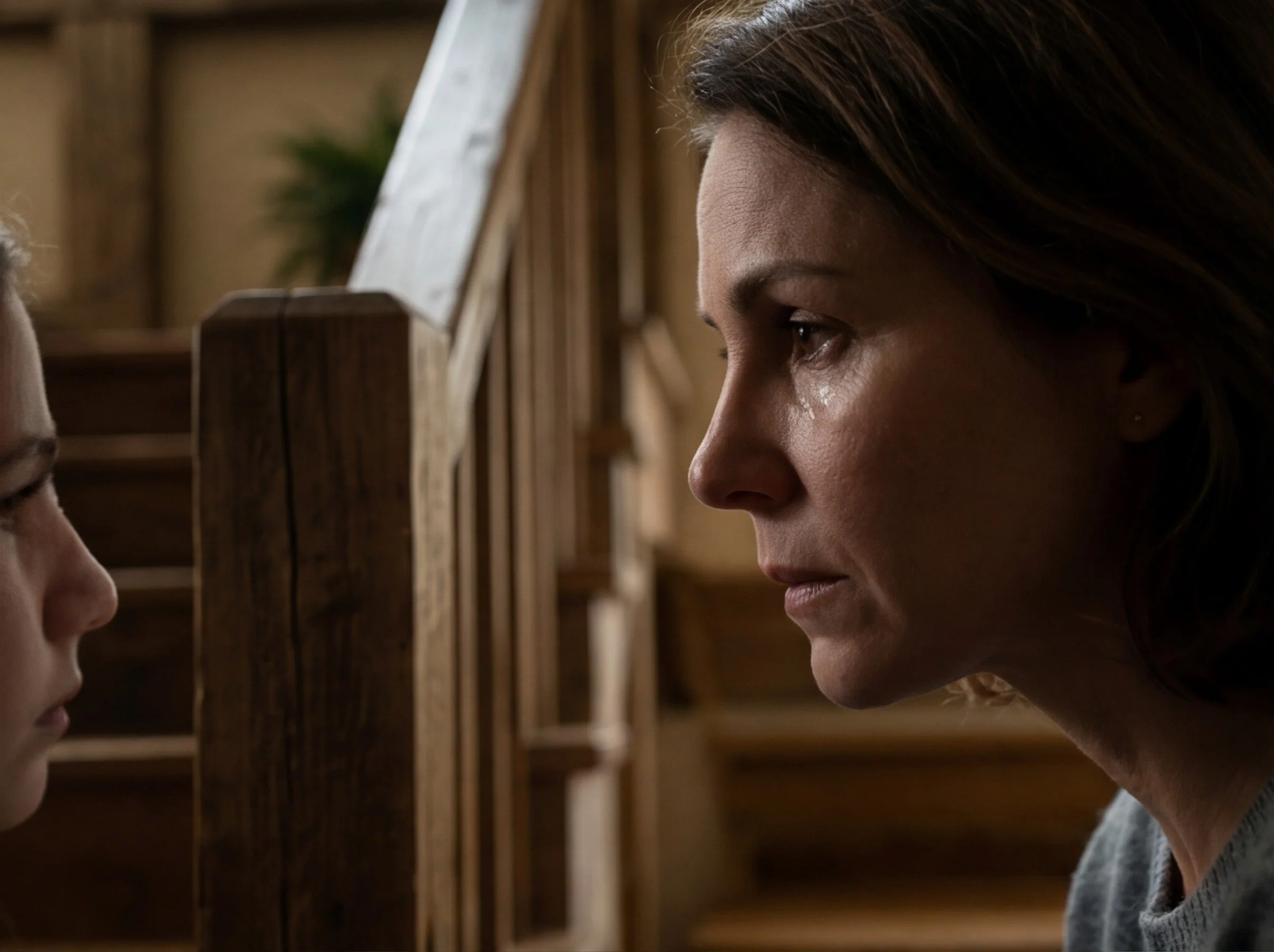

Because these aren't the kind of friends who tell you what you want to hear.
They're the ones who tell you you're an idiot.
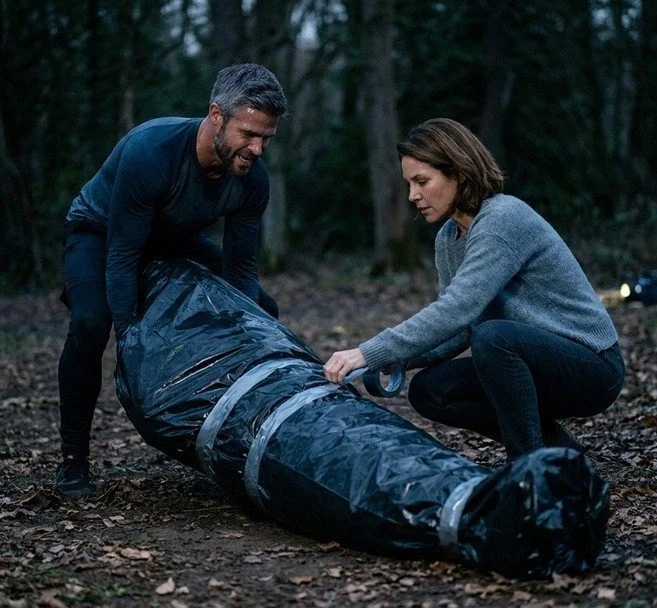


And then help you hide the evidence.
